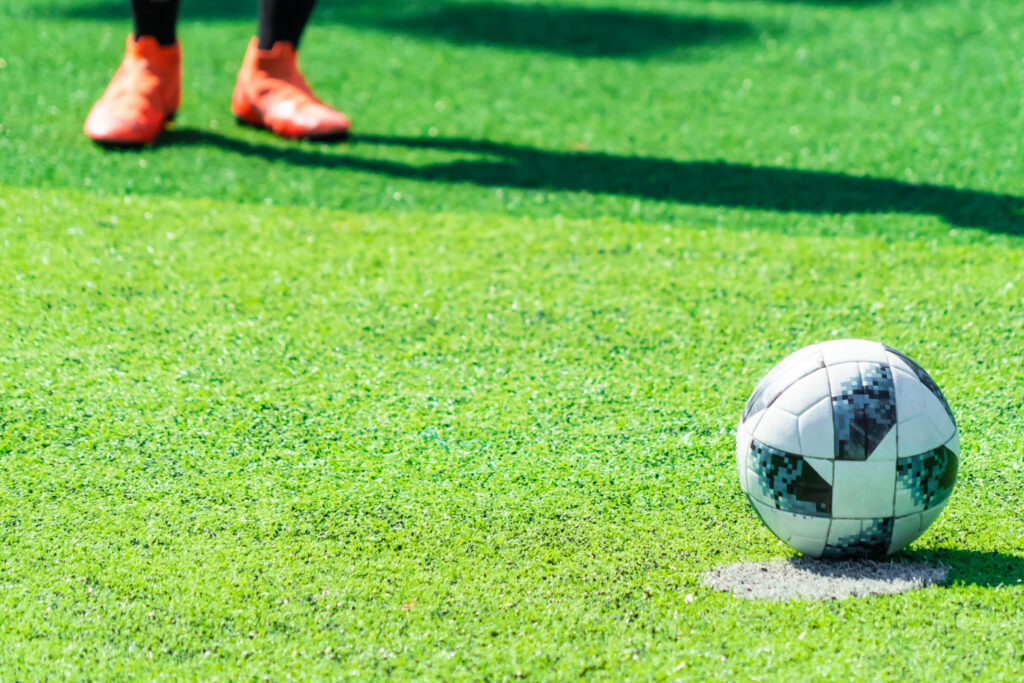
Installing a football turf sounds exciting right? A lush green field, players running across it, the ball rolling smoothly and what’s not to love with it? But before jumping straight into the project, there are a few important things to think about. The right planning can make the difference between a turf that lasts for years and one that starts causing headaches within months. So, here’s the key things to consider before the turf installation.
Start with the Right Location
The first thing to consider is where the turf will be installed. Space matters here and a standard football turf needs enough room not just for the playing area but also for safety zones around it.
Look at the ground conditions too. Is the land in the level? Does it collect water during rain? If the soil is unstable or uneven, you’ll need proper groundwork before you call Football Turf Manufacturer for the installation. Skipping this step can lead to bumps, dips, and drainage problems later.
Drainage Is More Important Than You Think
Rain happens, sometimes a lot of it. If your turf doesn’t drain water properly, it can quickly become unusable. Players might end up running through puddles instead of playing football.
A good drainage system allows water to flow through the turf and out of the field. Most professional turf systems include layers of crushed stone or gravel underneath. This helps water move away quickly and keeps the surface playable even after heavy rain.
Quality of the Artificial Grass
Not all artificial turf is the same. Some look great at first but wear out quickly. Others maintain their texture, color, and strength for years.
The pile height, fiber strength, and density all matter. Higher-quality fibers feel more natural underfoot and reduce the chances of injuries. They also handle constant running, sliding, and tackling better.
Cheap turf might save money initially but replacing it sooner than expected will cost more in the long run.
Shock Absorption and Player Safety
Football is intense. Players sprint, jump, fall, and change direction quickly. The surface needs to absorb impact.
A proper shock pad or elastic layer beneath the turf can make a big difference. It reduces stress on knees and ankles and lowers the risk of injuries.
If you’ve ever played on a hard surface, you know the feeling. One wrong fall and it hurts for days.
Lighting and Fencing
Most football turfs stay busy in the evenings. Good lighting keeps games going after sunset and makes the field more attractive for tournaments or rentals.
Fencing is equally important. It prevents the ball from constantly flying out and helps maintain safety for spectators and nearby areas.
Small details like these often get overlooked during planning, but they dramatically improve the playing experience.
Choosing the Right Manufacturer
Here’s something people often underestimate: people who install the turf matters just as much as the turf itself.
An experienced Football Turf Manufacturer understands the technical side of installation. They ensure proper layering, drainage, alignment, and finishing. Without that expertise, even high-quality materials won’t perform well.
For reliable materials and professional expertise, many facilities trust Topfloor Sports Infra, a growing name in India’s sports infrastructure space and a dependable Football Turf Manufacturer.